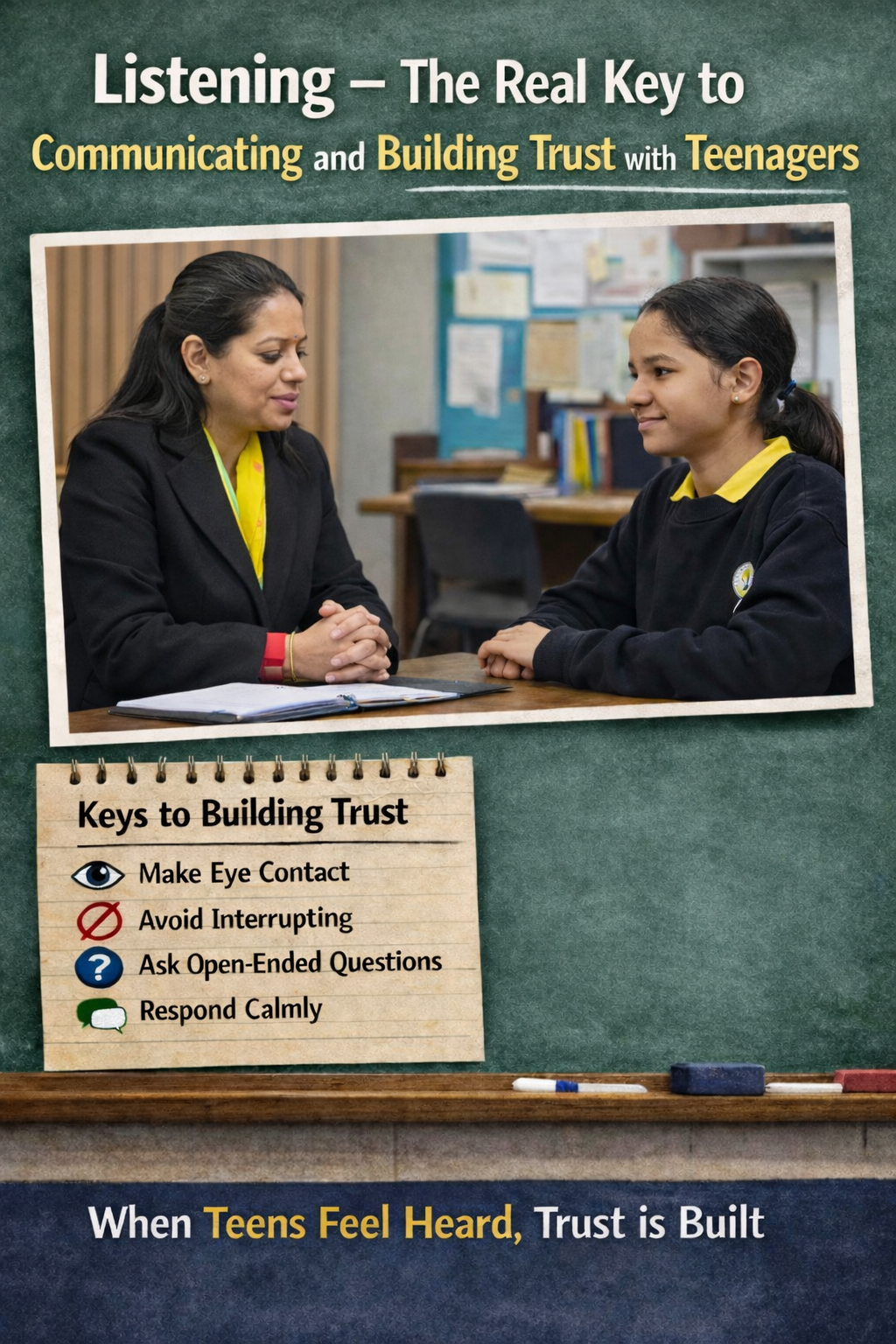
Teenage years are a time of change, emotions, and self-discovery. As children grow into teenagers, their thoughts become more independent, their feelings more intense, and their need to be understood becomes stronger than ever. During this phase, one simple yet powerful skill can make all the difference — listening. Schools like Ompee Global School encourage building strong communication skills that support both emotional and social development.
Here are some important insights into how listening can help improve communication and build trust with teenagers.
1. Why Listening Matters More Than Talking
Many people believe communication is about giving advice or explaining things. However, for teenagers, it’s not always about what you say — it’s about how well you listen. When adults truly listen, teenagers feel valued, respected, and understood. This encourages them to open up and share their thoughts more freely. Educational institutions like Ompee Global School emphasize the importance of communication skills that build confidence and trust.
2. The Problem: “You Don’t Understand Me”
One of the most common feelings among teenagers is that adults don’t understand them. This often happens when they are interrupted, their emotions are dismissed, or they are judged too quickly. Instead of solving problems, this creates distance, and teenagers may stop sharing their thoughts altogether.
3. The Power of Active Listening
Active listening is more than just hearing words — it means being fully present in the moment. Simple actions like giving full attention, avoiding interruptions, acknowledging feelings, and asking thoughtful questions can make a big difference. Sometimes, teenagers don’t need solutions; they just need someone who listens with patience and understanding.
4. How Listening Builds Trust
Trust is built over time through consistent actions. When teenagers feel they won’t be judged, that their opinions matter, and that they can speak freely, trust naturally develops. This makes communication stronger and more meaningful.
5. Creating a Safe Space at School
At Ompee Global School, education goes beyond academics to include emotional well-being. Teachers who listen create a safe and supportive environment where students feel comfortable expressing themselves, sharing ideas, and discussing their challenges. This helps teenagers grow into confident and emotionally strong individuals.
Final Thoughts
Listening may seem simple, but it is one of the most powerful tools for building strong relationships with teenagers. When we listen with empathy and patience, we create a lasting bond of trust. Sometimes, the best way to guide teenagers is not by speaking more, but by listening better.
2. Drink a Glass of Water First Thing
After several hours of sleep, your body naturally becomes slightly dehydrated. In summer, dehydration can happen even faster because the body loses water through sweat. Drinking a glass of water as soon as you wake up helps your body rehydrate and kick-start your metabolism. It also helps flush out toxins and improves digestion. You can also add a few drops of lemon to your water for an extra refreshing start.
3. Get Some Fresh Air
Fresh air and natural light can instantly improve your mood and energy levels. Opening your windows or stepping outside for a few minutes allows your body to absorb fresh oxygen and sunlight. Morning sunlight helps regulate your body’s internal clock and signals your brain that it’s time to be active. Even spending five to ten minutes outside can help reduce feelings of laziness and help you feel more refreshed and focused.
4. Do Light Exercise or Stretching
Physical movement in the morning can help wake up your body and improve blood circulation. You don’t need to do a heavy workout; simple stretching, yoga, or a short walk can be enough to make you feel active. Light exercise releases endorphins, also known as “feel-good hormones,” which improve mood and reduce stress. Just 10–15 minutes of movement can help you beat summer sluggishness.
5. Take a Refreshing Shower
A cool or lukewarm shower in the morning can instantly refresh your body and mind. It helps reduce the feeling of stickiness or discomfort caused by summer heat. A refreshing shower can improve alertness and help you feel more energetic before starting your daily tasks. It also improves blood circulation and prepares you to start the day with a positive mindset.
6. Eat a Healthy and Light Breakfast
Breakfast is one of the most important meals of the day because it provides the energy your body needs to function properly. During summer, heavy or oily foods can make you feel sluggish. Instead, choose a light and nutritious breakfast that includes fruits, yogurt, oats, nuts, or whole grains. A healthy breakfast keeps your energy levels stable and helps you stay active throughout the morning.
7. Spend a Few Minutes in the Sun
Morning sunlight has several health benefits. It helps your body produce vitamin D, which is important for bone health and overall immunity. Exposure to early sunlight also improves mood and boosts energy levels. Spending even a few minutes outside while walking or stretching can help you feel more alert and motivated for the day ahead.
8. Plan Your Day
Starting your day with a simple plan can help you stay organized and focused. Take a few minutes to write down your most important tasks or goals for the day. When you know what needs to be done, it becomes easier to manage your time and avoid unnecessary stress. Planning your day also helps you stay productive without feeling overwhelmed.
9. Practice Mindfulness or Meditation
A calm mind can make your entire day more productive. Practicing mindfulness, meditation, or deep breathing for a few minutes in the morning helps reduce stress and improve focus. Even five minutes of quiet breathing or meditation can create a peaceful mindset that lasts throughout the day.
10. Avoid Checking Your Phone Immediately
Many people start their morning by checking their phones, scrolling through social media, or reading messages. This habit can quickly distract you and sometimes create unnecessary stress. Instead, try to focus on yourself during the first 20–30 minutes after waking up. Use that time to hydrate, stretch, plan your day, or simply relax.
Conclusion:
Summer lethargy is common, but it doesn’t have to control your day. By building healthy morning habits such as waking up early, staying hydrated, exercising lightly, and planning your day, you can improve your energy levels and productivity. Small and consistent changes in your routine can make your mornings more refreshing and help you stay active even during hot summer days. Developing positive daily routines is something educational institutions like Ompee Global School encourage among students to promote a balanced and healthy lifestyle.